
Iron-Rich Foods for Kids
Iron deficiency is the most common nutritional deficiency in young children. The best food sources of iron for kids include red meat, poultry, fish, beans, lentils, tofu, fortified cereals, and leafy green vegetables. Serving iron-rich foods alongside foods high in vitamin C — such as strawberries, oranges, or bell peppers — significantly increases iron absorption. Call Spring Valley Pediatrics at 202-966-5000 if you are concerned about your child’s iron levels.
Why Iron Matters for Children
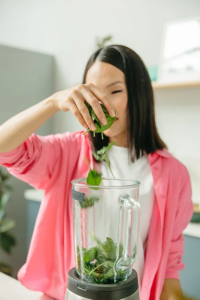
Iron-rich foods for kids are essential for healthy growth, brain development, and immune function. Iron deficiency is the most common nutritional deficiency in children in the United States, and it can cause anemia, fatigue, difficulty concentrating, and developmental delays — often without obvious symptoms until the deficiency is significant. At Spring Valley Pediatrics in Washington DC, we screen for iron deficiency at routine well-child visits. This guide explains the best iron-rich foods for babies, toddlers, and older children, and how to maximize what your child absorbs.
Infants, toddlers, and adolescent girls are at the highest risk. At Spring Valley Pediatrics, we screen for iron deficiency as part of routine well-child care. If you have concerns about your child’s iron intake, call us at 202-966-5000.
How Much Iron Does My Child Need?
| Age | Daily Iron Requirement | Notes |
| 0–6 months | 0.27 mg/day | Breast milk provides adequate iron for healthy full-term infants through 6 months. |
| 7–12 months | 11 mg/day | A critical period — breastfed babies need an iron supplement starting at 4 months if not getting iron-fortified foods. |
| 1–3 years | 7 mg/day | Toddlers are at high risk — picky eating and rapid growth create a gap between needs and intake. |
| 4–8 years | 10 mg/day | Ensure variety of iron-rich foods at each meal. |
| 9–13 years | 8 mg/day | Consistent with adult males through early adolescence. |
| 14–18 years (boys) | 11 mg/day | Increased needs during growth spurt. |
| 14–18 years (girls) | 15 mg/day | Highest risk group — menstruation significantly increases iron needs. |
The Best Iron-Rich Foods for Kids, Babies & Toddlers
Iron comes in two forms: heme iron (from animal sources) and non-heme iron (from plant sources). Heme iron is absorbed much more efficiently — about 15–35% absorption versus 2–20% for non-heme iron.
Want a quick-reference chart of iron-rich foods to keep on your fridge?
Download our Iron-Rich Foods for Kids PDF →
Heme Iron Sources (Best Absorbed)
| Food | Serving Size | Iron Content |
| Beef (ground, lean) | 3 oz cooked | 2.7 mg |
| Beef liver | 3 oz cooked | 5.2 mg |
| Dark meat chicken | 3 oz cooked | 1.1 mg |
| Turkey (dark meat) | 3 oz cooked | 2.0 mg |
| Canned tuna | 3 oz | 1.3 mg |
| Canned salmon | 3 oz | 0.7 mg |
| Shrimp | 3 oz cooked | 2.6 mg |
| Lamb | 3 oz cooked | 1.9 mg |
| Pork tenderloin | 3 oz cooked | 0.9 mg |
Non-Heme Iron Sources (Plant-Based)
| Food | Serving Size | Iron Content | Notes |
| Fortified infant cereal | 1 oz dry | 4–8 mg | One of the highest iron sources for babies — start here at 6 months. |
| Fortified breakfast cereal | ¾ cup | 4–18 mg | Check the label — iron content varies widely by brand. |
| Lentils | ½ cup cooked | 3.3 mg | Excellent for toddlers — soft texture, mild flavor. |
| White beans | ½ cup cooked | 3.9 mg | Also a great source of protein and fiber. |
| Kidney beans | ½ cup cooked | 2.6 mg | Easy to add to pasta, soups, and soft tacos. |
| Chickpeas (hummus) | ½ cup cooked | 2.4 mg | Hummus is an excellent finger food for toddlers. |
| Tofu (firm) | ½ cup | 3.4 mg | Versatile — can be blended into smoothies for babies. |
| Edamame | ½ cup cooked | 1.8 mg | Great finger food for toddlers and kids. |
| Spinach (cooked) | ½ cup | 3.2 mg | Cooking increases absorption. Blend into sauces or eggs. |
| Pumpkin seeds | 1 oz | 2.7 mg | Appropriate for older children — choking risk in toddlers. |
| Quinoa | ½ cup cooked | 1.4 mg | A complete protein and good iron source for plant-based families. |
| Prune juice | ¾ cup (6 oz) | 2.3 mg | Yes — prunes and prune juice are a meaningful non-heme iron source and help with constipation. |
| Dried apricots | ¼ cup (10 halves) | 1.5 mg | Good snack for older toddlers and kids. |
| Blackstrap molasses | 1 tablespoon | 3.6 mg | Very high iron — can be mixed into oatmeal or baked goods. |
| Potato (with skin) | 1 medium baked | 1.9 mg | The skin is important — most of the iron is there. |
| Sweet potato | 1 medium baked | 0.7 mg | Lower in iron than commonly believed — a good food, but not a primary iron source. |
| Broccoli (cooked) | ½ cup | 0.5 mg | Lower iron but high in vitamin C, which boosts absorption of other iron at the same meal. |
A Note on Sweet Potatoes and Iron
Sweet potatoes are a nutritious food for babies and toddlers — they are rich in beta-carotene, vitamin A, fiber, and potassium. However, they are not a significant source of iron. A medium baked sweet potato provides approximately 0.7 mg of iron — modest for a food of that size. If your goal is increasing iron intake, prioritize the foods at the top of the tables above, particularly fortified infant cereal, lentils, beans, and meat.
How to Boost Iron Absorption
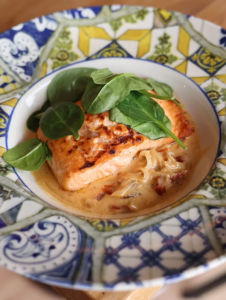 Non-heme iron (from plant sources) is absorbed much less efficiently than heme iron, but there are practical ways to significantly improve it:
- Pair with Vitamin C — serving non-heme iron foods alongside a vitamin C source can increase iron absorption by 2–3 times. Good vitamin C pairings: strawberries, oranges, kiwi, bell peppers, tomatoes, broccoli.
- Combine plant iron with meat — even a small amount of meat alongside plant-based iron (a few bites of chicken with lentil soup) increases absorption of the plant iron.
- Cook in cast iron — acidic foods cooked in cast iron pots (tomato sauce, beans) absorb measurable amounts of iron from the cookware.
- Avoid calcium with iron-rich meals — calcium competes with iron for absorption. Milk, cheese, and yogurt are great for children but are best served between meals rather than alongside iron-rich foods.
- Avoid tea with meals — tannins in tea (including herbal tea) reduce iron absorption significantly. Avoid offering tea to young children at mealtimes.
Iron-Rich Meal Ideas for Babies & Toddlers
6–9 Months
- Iron-fortified single-grain oatmeal + pureed strawberries (the vitamin C boosts absorption)
- Pureed beef or chicken with sweet potato and a squeeze of orange juice
- Pureed lentils with carrots and a side of pureed mango
- Pureed spinach mixed into any puree — the flavor is masked and the iron adds up
9–18 Months
- Soft-cooked ground beef or turkey mixed into pasta with tomato sauce
- Hummus with soft-cooked broccoli or steamed red peppers for dipping
- Scrambled eggs with spinach and a side of melon
- Soft-cooked lentils as a finger food, or mixed into rice or mashed potato
Toddlers & Children
- Bean and cheese quesadillas with salsa (tomatoes add vitamin C)
- Breakfast cereal with strawberries — check that the cereal is iron-fortified
- Beef or turkey taco bowls with black beans, peppers, and tomato
- Edamame as a snack — easy, nutritious, and high in both iron and protein
- Pumpkin seed or sunflower seed butter on toast for school-age children (nut-free alternative)
Signs of Iron Deficiency in Children
Iron deficiency often develops gradually and may not cause obvious symptoms until it becomes anemia. Signs that your child may be iron deficient include:
- Unusual tiredness or low energy
- Pale skin, lips, or inner eyelids
- Decreased appetite
- Frequent infections
- Difficulty concentrating or behavioral changes in school-age children
- Rapid heart rate
- Pica — craving and eating non-food items such as ice, dirt, or paper (a classic sign of iron deficiency)
If you notice any of these signs, call Spring Valley Pediatrics at 202-966-5000. A simple blood test at your child’s well-child visit screens for iron deficiency anemia.
Frequently Asked Questions
Are sweet potatoes high in iron?
Sweet potatoes contain a modest amount of iron — approximately 0.7 mg per medium baked potato. While they are an excellent nutritious food for babies and toddlers (high in vitamin A, fiber, and potassium), they are not considered a high-iron food. Better iron sources include fortified infant cereals, lentils, beans, tofu, spinach, and meat.
Do prunes have iron?
Yes. Prunes and prune juice are a meaningful source of non-heme iron. A ¾-cup serving of prune juice provides approximately 2.3 mg of iron, and prune juice also has a well-known benefit for preventing constipation in young children. Dried prunes provide about 0.8 mg iron per 5-prune serving.
How much iron does my breastfed baby need?
Breast milk is low in iron, though the iron it contains is very well absorbed. Healthy full-term breastfed babies have sufficient iron stores for the first 4–6 months. At 4 months, the AAP recommends starting an iron supplement (1 mg/kg/day) for exclusively breastfed infants until iron-rich solid foods are introduced at 6 months. Premature babies need iron supplements earlier — discuss with your Spring Valley Pediatrics physician.
Does formula contain enough iron for my baby?
Yes. Iron-fortified infant formula (the most common type in the US) contains approximately 12 mg/L of iron, which is sufficient to meet your baby’s needs. There is no need to supplement a formula-fed baby with additional iron unless directed by your physician.
What is the fastest way to increase iron in a toddler’s diet?
The fastest food-based approach is to add iron-fortified breakfast cereal daily, serve meat (even small amounts of ground beef or turkey) 4–5 times per week, and pair all non-meat iron sources with a vitamin C food at the same meal. If your child’s iron levels are significantly low, your physician may recommend an iron supplement in addition to dietary changes.
Are iron supplements safe for children?
Iron supplements prescribed by your physician are safe and effective for children with iron deficiency. They should only be given at the dose and duration recommended by your doctor — too much iron is harmful. Keep iron supplements locked away from children, as iron overdose is a leading cause of poisoning-related deaths in young children. Never give your child an adult iron supplement.