
Most mosquito bites are harmless and cause only minor itching and swelling that resolves within a few days. Treat with a cold compress, topical 1% hydrocortisone cream, and oral antihistamine if needed for significant itching. Call your pediatrician if the bite area becomes increasingly red, warm, or swollen after 24–48 hours (possible infection). Seek emergency care immediately if your child develops hives, facial swelling, or difficulty breathing — signs of a serious allergic reaction.
We all know D.C. is a mosquito haven but thankfully Dr. Jessica Long from Spring Valley Pediatrics has some tips to keep your children comfortable and itch-free!
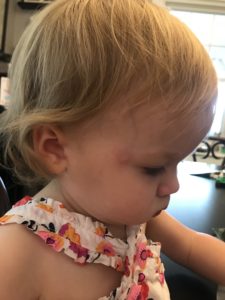
It’s August in D.C. which means my children are scratching like crazy at a myriad of bug bites all over their sweet little bodies. It doesn’t matter how aggressively I spray, pat, or wipe them down with bug repellant, those pesky mosquitos find them (my middle child is apparently especially delicious) and I get to hear the gripes all day long. They itch and it is not fun. What’s a parent to do?
You probably already have the prevention piece down (and if not, read my past post) but no matter how diligent you are, one or two little bugs are going to find their way through the haze of DEET. Mosquito bites tend to be pink, slightly raised, itchy, and can have some swelling especially if they are on the face or ankle (tick or spider bites have different characteristics and may require different treatment). Kids’ skin tends to react more than adults’ skin, so their mosquito bites will often look bigger than your own.
It’s easier said than done, but try to encourage your child not to scratch the bite. It will only irritate the area, making it even itchier, and can also lead to infection. Placing an ice pack or a cool washcloth on the area can help reduce the itch, as can a steroid cream (such as 1% hydrocortisone cream) which can be applied two to three times a day. Other topical treatments like calamine lotion can be incredibly soothing as well.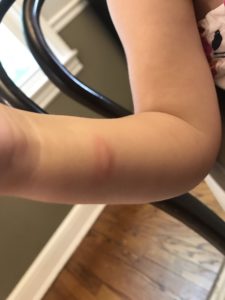
Sometimes all the creams in the world just don’t take the edge off and your kid is still miserable, especially at bedtime. Benadryl for fast relief or a longer acting allergy medication might be a good choice, but be sure to discuss the medication and the proper dose with your pediatrician. A mosquito bite itches for about 3-4 days so you’ll want to keep up treatment for at least that length of time.
Hopefully these tips will help you and your kids enjoy the outdoors all summer long!
Frequently Asked Questions About Mosquito Bites
How do I treat a mosquito bite on my child?
Apply a cold compress for 10 minutes, then a thin layer of 1% hydrocortisone cream 2–3 times daily, and give an oral antihistamine (like cetirizine/Zyrtec or loratadine/Claritin) if the itching is significant. Encourage your child not to scratch — scratching breaks the skin and can introduce bacteria.
When should a mosquito bite concern me?
Contact Spring Valley Pediatrics if the redness around the bite is spreading or growing larger after 24–48 hours, your child develops a fever, the bite becomes increasingly painful, or if there is a red streak extending from the bite site — this can indicate a spreading infection requiring antibiotic treatment.
What does an infected mosquito bite look like?
Normal reaction: small bump, redness directly around the bite, itching that improves within 1–2 days. Signs of infection: redness expanding in size over 24–48 hours, increasing warmth, swelling, pain, pus or yellow discharge, or red streaks extending from the bite. Call your pediatrician if you see expanding redness with a clear border.
What does an allergic reaction to a mosquito bite look like?
A localized allergic reaction (larger swelling, lasting several days) is common and does not require emergency treatment. A systemic allergic reaction is rare but serious: hives in areas away from the bite, swelling of the face or throat, difficulty breathing, vomiting, or fainting. Call 911 immediately if you see systemic symptoms.
Can mosquitoes transmit West Nile virus to children in Washington DC?
West Nile virus is present in the Washington DC area, though the risk to any individual child is low. Most infected people have no symptoms. The best protection is preventing bites with EPA-registered repellent and protective clothing during peak mosquito hours (dusk to dawn).
What mosquito repellent is safe for children?
The AAP recommends DEET-containing repellents for children over 2 months — concentrations between 10–30% are effective and safe when applied as directed. Do not apply to hands or near eyes. Picaridin is an effective DEET alternative. Do not use DEET products on infants under 2 months.

