
Protecting children from too much sun can help prevent painful sunburns and long-term skin damage. Use a broad-spectrum sunscreen with SPF 30 or higher for children over 6 months, apply it before going outside, and reapply regularly and after swimming. Babies should be kept in the shade as much as possible and dressed in lightweight protective clothing, a wide-brimmed hat, and sunglasses. If your child develops a severe sunburn with blisters, fever, chills, headache, or feels unwell, call your pediatrician.
Protecting our family from the sun’s harmful rays is constantly on our minds during the Summer months. Dr. Long offers us some tips on how to keep everyone safe and sunburn-free this Summer.

D.C. summer is finally upon us and longer days (and no school!) mean lots more time outside. Getting some extra sunshine is great for the whole family; just make sure a sunburn doesn’t get in the way of your vacation. Here are tips to keep each member of your family – from the littlest baby to the most seasoned grandparent – from regretting their fun in the sun this summer.
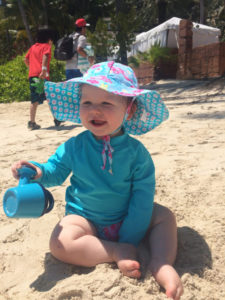
Babies’ skin is thinner and more sensitive than adults’ and requires more vigilance in protecting it. If you are out and about with your little one, try to avoid the sun from 11am-3pm when the rays are strongest. Dress your baby in loose lightweight clothing when possible – long sleeves and pants will protect them better – and do your best to keep your baby shaded. Don’t forget the adorable wide brimmed sun hat and glasses!
Sunscreen is important for every member of your family. Choose one that advertises “broad spectrum” – meaning it will help block UVA and UVB rays – and go for at least SPF 30. Look for ingredients like zinc oxide or titanium dioxide, which are physical barriers, meaning they sit on top of your skin and reflect UVA and UVB rays away like a mirror. These ingredients are especially helpful for protecting sensitive parts of your body like your nose, cheeks, tops of the ears, and shoulders. All family members older than 6 months should be lathered up at least 15-30 minutes before heading outside to ensure that the sunscreen is absorbed and ready to protect. No sunscreen is truly waterproof so be sure to reapply after drying off from the pool or ocean as well as every 1 ½ – 2 hours.
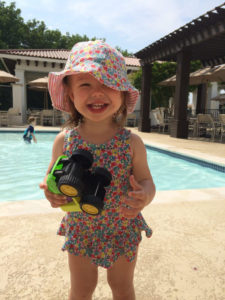
While we tend to be most vigilant about covering up our babies, putting on breathable, comfortable clothing that covers the body is a good choice for all family members. Clothes with a tight weave will protect you from the sun’s rays better than loose weave items. Invest in UPF (ultraviolet protection factor) clothing which is manufactured specifically to better protect the skin from UVA and UVB rays and might be a good choice for children, those with sensitive skin, or anyone planning on spending a lot of time outdoors.
If a sun burn does happen, first make sure to get out of the sun! Protecting burnt skin while it heals is important so be sure to either avoid the sun or cover the burnt area when outside. If your child’s burn is red, warm and painful, you can treat it yourself with cool compresses (such as a cool washcloth applied directly to the skin), aloe gel, and ibuprofen. However, if there are blisters or your child has fever, chills, headache or generally does not feel well, call your pediatrician. Professional medical care may be needed for more serious burns.
When it comes to protecting your and your children’s skin this summer, preparation and vigilance are key. Toss hats, sunglasses, and some sunscreen in a Ziploc in your bag. Apply sunscreen even on cloudy days since 80% of the sun’s rays can get through clouds. And reapply, reapply, reapply.
Happy Summer!
Frequently Asked Questions
What SPF sunscreen should I use for my child?e
Choose a broad-spectrum sunscreen with SPF 30 or higher to protect against UVA and UVB rays. The article also recommends ingredients such as zinc oxide or titanium dioxide, particularly for sensitive areas like the nose, cheeks, ears, and shoulders.
Can I put sunscreen on a baby under 6 months?
For young babies, prioritize shade and lightweight protective clothing rather than relying on sunscreen. Keep babies out of strong direct sunlight when possible and use long sleeves, pants, a wide-brimmed hat, and other physical sun protection.
How often should I reapply sunscreen on my child?
The page recommends reapplying sunscreen about every 1½–2 hours and after your child gets out of the pool or ocean and dries off. No sunscreen should be considered completely waterproof.
How long before going outside should I apply sunscreen?
Apply sunscreen about 15–30 minutes before sun exposure so it is ready to protect your child’s skin when they head outside.
What clothing helps protect children from the sun?
Lightweight clothing that covers the arms and legs can provide additional protection. Tightly woven fabrics offer better protection than loosely woven clothing, and UPF-rated clothing is specifically designed to help block UVA and UVB rays.

